


Project Description
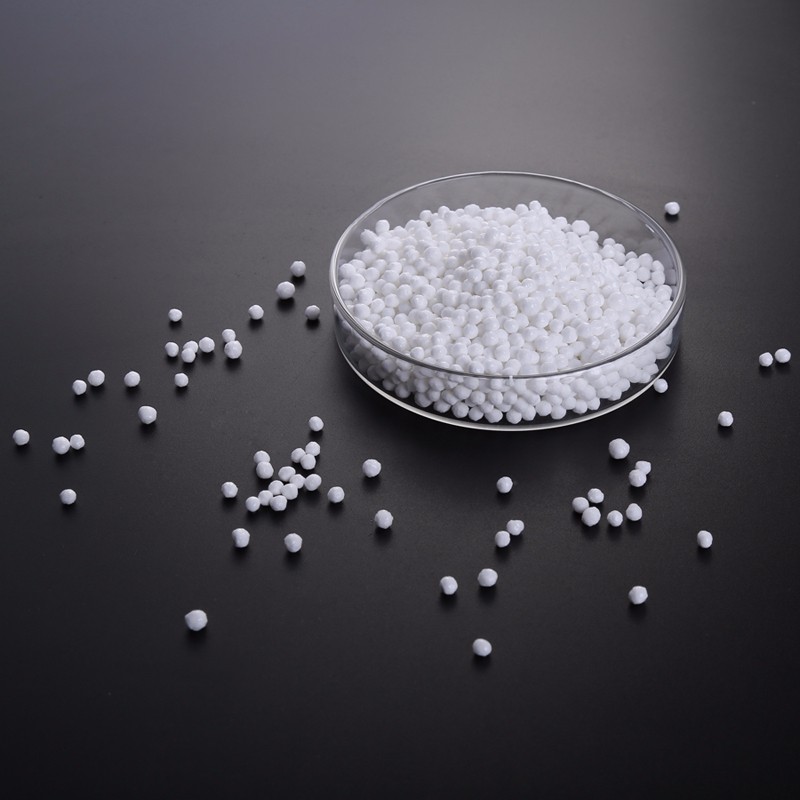
Calcium Chloride also known as CaCl2 is anionic compound of Calcium and Chlorine.
This product of PETRO-ACC has these both properties (dry and granule), it is using in a wide variety of applications in numerous industries, from dust control on roadways to food processing.
PETRO-ACC Company is one of the severity Calcium Chloride suppliers & distributors in Middle East.
| Name | Calcium Chloride |
| Manufacturer | PETRO-ACC |
| Made By | PETRO-ACC |
| Product Code | CACH94 |
Calcium Chloride MSDS
Table scrolling horizontally
| Material Safety Data Sheet CaCl2, Anhydrous MSDS |
|
| Product Name | CaCl2, Anhydrous |
| Product Codes | CACH94 |
| CAS# | 10043-52-4 |
| RTECS | EV9800000 |
| TSCA | TSCA 8(b) inventory: CaCl2, Anhydrous |
| Synonym | |
| Chemical Name | CaCl2, Anhydrous |
| Chemical Formula | CaCl2 |
| Potential Acute Health Effects | Hazardous in case of skin contact (irritant), of eye contact (irritant), of ingestion, of inhalation. Slightly hazardous in case of skin contact (permeator). |
| Potential Chronic Health Effects | CARCINOGENIC EFFECTS: Not available. MUTAGENIC EFFECTS: Mutagenic for mammalian somatic cells. Mutagenic for bacteria and/or yeast. TERATOGENIC EFFECTS: Not available. DEVELOPMENTAL TOXICITY: Not available. The substance may be toxic to heart, cardiovascular system. Repeated or prolonged exposure to the substance can produce target organs damage |
| Eye Contact | Check for and remove any contact lenses. In case of contact, immediately flush eyes with plenty of water for at least 15 minutes. Cold water may be used. Get medical attention. |
Table scrolling horizontally
CALCIUM CHLORIDE FEATURES
Calcium Chloride (CaCl2) Typical Properties:
TETRA 94™ of CaCl2 would be a white, high purity pellet with 94-97 percent CaCl2.
- Physical Appearance: White granular
- Specific Gravity: 2.2
- Bulk Density: 56 ln/ft3 (900kg/m3)
Calcium Chloride (CaCl2) Packaging:
CaCl2 94-97% Mini granola and Powder is packaged in:
- 25kg 2ply bags
- 1000 kg Jumbo Bags
Calcium Chloride (CaCl2) Properties:
Chemical formula: CaCl₂
Molar mass: ~110.98 g/mol (anhydrous)
Appearance: White, crystalline solid (Granules, powder, Flakes)
Odor: Odorless
Physical and Chemical Behavior
Highly hygroscopic: Strongly absorbs moisture from the air and can become liquid (deliquescent).
Solubility: Very soluble in water; also soluble in alcohols.
Heat of solution: Dissolves exothermically (releases heat when mixed with water).
Melting point: ~772 °C (anhydrous)
Boiling point: ~1,935 °C
Chemical Characteristics
Ionic compound: Composed of Ca²⁺ and Cl ions.
Electrolyte: Conducts electricity when dissolved in water.
PH behavior: Aqueous solutions are typically neutral to slightly alkaline.
Reactivity:
Reacts with carbonates to form calcium carbonate precipitate.
Can react with sulfates to form calcium sulfate.
Forms hydrates easily (e.g., CaCl₂·2H₂O, CaCl₂·6H₂O).
Calcium Chloride (CaCl₂) Major Applications
White granular anhydrous CaCl2 is manufactured following the raw materials of high feel calcium carbonate and accuracy hydrochloric reasoned and through several processes of synthesis, filtering, evaporation, entire total and aeration. CaCl2 main usages are as follow: Oil and gas drilling agent Road deicing agents Road stabilization and dust run Accelerators in concrete Industrial giving out as additives in plastics, for Calcium salt production, drainage aids for wastewater treatment, etc. Other applications tire ballast, hydrocarbon desiccant, refrigeration brine, food paperwork agent or coagulating agent and accumulation for foods and many new usages.
De icing and Snow Control
Calcium chloride is widely used to melt ice on roads and pavements. It works effectively at much lower temperatures than sodium chloride and releases heat when dissolving, speeding up ice melting.
Desiccant (Drying Agent)
Because it is highly hygroscopic, it’s used to absorb moisture in:
Air dehumidifiers
Packaging (to keep products dry)
Storage of sensitive chemicals
Dust Control on Roads
Applied to unpaved roads, calcium chloride absorbs moisture from the air, keeping the surface damp and reducing dust formation.
Food Industry
Used as a food additive for:
Firming agent in canned vegetables
Cheese making (improves curd formation)
Pickling processes
Construction Industry
Acts as a concrete accelerator, speeding up setting time, especially in cold weather.
Improves early strength of concrete.
Refrigeration and Cooling Systems
Used in brine solutions for industrial refrigeration due to its ability to lower freezing points.
Oil and Gas Industry
Used in drilling fluids to increase density and stabilize shale formations.
Helps control pressure in oil wells.
Medical Applications
Used in controlled doses to treat conditions like hypocalcemia (low calcium levels) and in emergency cardiac care (administered intravenously under supervision).
Water Treatment
Helps in removing impurities and adjusting water hardness.
Used in wastewater treatment processes.
Laboratory Uses
Drying gases and liquids
As a source of calcium ions in chemical reactions
Calcium Chloride Food Grade Purity
Food grade calcium chloride (CaCl₂) doesn’t have a single fixed purity, but there are clear industry ranges and standards you should know.
Purity levels
Common commercial food grade for small quantity uses: 94–96% purity (anhydrous)
Lower concentration forms (hydrated and flakes) for big quantity uses in Food factories: 77% purity (contains water of crystallization)
So food grade doesn’t always mean 99% and it depends on the form:
Anhydrous (dry): higher purity (96–99%)
Dihydrate and flakes: lower % because part of the weight is water, not impurities
Calcium Chloride Tech Grade Specification
| Properties Results | |
| Appearance
Purity |
White Prill
94% |
| Calcium Hydroxide | <0.25% |
| Sodium Chloride | <5% |
| pH | 7 .5-11 |
| Water Insoluble | < 0.15% |
| Ferrum (FE) | < 0.006% |
| Magnesium Chloride (Mg)
Sulphate (CaSO4) |
< 0.5%
<0.05% |
Calcium Chloride Food Grade Specification
| Properties Results | |
| Appearance
Purity |
White Flakes
77% |
| Calcium Hydroxide | <0.25% |
| Sodium Chloride | <3% |
| pH | 7 .5-11 |
| Water Insoluble | < 0.15% |
| Ferrum (FE) | < 0.006% |
| Magnesium Chloride (Mg)
Sulphate (CaSO4) Arsenic (As) Plumbum (Pb) Fluoride (F) Mercury (Hq) Cadmium Heavy Metals (mg/kg) |
< 0.47%
<0.04% <0.0001% <0.0001% <0.002% <0.0001% <0.0001% <18 |