


Project Description
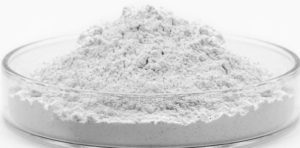
Potassium chloride (KCl) is a chemical compound made of potassium and chlorine. It’s widely used in Drilling Fluids, Medicine, Agriculture, Foods nutrition and other industry.
Potassium chloride (KCl) in drilling is mainly used in water based drilling fluids (mud systems) to improve wellbore stability especially when drilling through reactive shales.
| Name | POTASSIUM CHLORIDE |
| Manufacturer | ARAS PETROCHEMICAL |
| Made By | PETRO-ACC |
| Product Code | PC-700 |
POTASSIUM CHLORIDE FEATURES
Features of Potassium chloride (KCl) especially relevant across industrial, drilling, and general applications:
Appearance: White crystalline solid or powder
Odor: Odorless
Taste: Salty (similar to table salt)
Solubility: Highly soluble in water
Density: ~1.98 g/cm³
Melting point: ~770 °C
Formula: KCl
Type: Ionic compound (made of K⁺ and Cl⁻ ions)
Stability: Chemically stable under normal conditions
PH: Neutral in aqueous solution
Provides potassium ions (K⁺) for various reactions
Participates in processes like Ion Exchange
Acts as an electrolyte in solution (conducts electricity)
Shale inhibitor: Prevents clay swelling
Improves wellbore stability
Compatible with water-based mud systems
Easy to mix and control concentration
High potassium content (essential plant nutrient)
Promotes:
Root development
Disease resistance
Crop yield
Essential for:
Nerve signaling
Muscle contraction
Heart function
Used to treat Hypokalemia
POTASSIUM CHLORIDE Applications
Potassium chloride (KCl) has a wide range of applications across industries because it’s a stable, soluble source of potassium ions.
Oil & gas (drilling fluids)
Used in water based drilling muds
Acts as a shale inhibitor
Prevents clay swelling through Ion Exchange
Improves:
Wellbore stability
Cuttings integrity
Drilling efficiency
Agriculture (fertilizers)
Known as muriate of potash (MOP)
Supplies potassium (K)—a key nutrient for plants
Benefits:
Better root growth
Increased crop yield
Improved drought resistance
Medical & healthcare
Used to treat Hypokalemia
Maintains:
Heart rhythm
Muscle function
Electrolyte balance
Available in tablets, liquids, or IV (hospital use)
Food industry
Used as a salt substitute (low-sodium diets)
Food additive (E508)
Helps in:
Flavor enhancement
Preservation
Industrial applications
Raw material in:
Potassium hydroxide (KOH) production
Electrolysis processes
Used in:
Water treatment
Chemical manufacturing
Deicing & water softening
Used as an alternative to sodium chloride:
Melts ice (less common but effective)
Regenerates water softeners
Laboratory use
Calibration solutions
Chemical experiments
Buffer preparation
Potassium Chloride Formulation
Potassium chloride (KCl) formulation depends on the application especially in drilling agriculture, or medical use Here is a clear breakdown with emphasis on oil & gas drilling fluids:
Drilling fluid (KCl mud) formulation
KCl is commonly formulated in water-based mud systems to stabilize shale.
Typical KCl Polymer mud formulation
Water (base fluid) – 100%
Potassium chloride (KCl) – 2–5% (can go up to ~10% for highly reactive shale)
Bentonite – viscosity & filtration control
PAC (Polyanionic Cellulose) – fluid loss control
Xanthan Gum – viscosity & suspension
Caustic soda (NaOH) – pH control (typically pH 9–10)
Optional additives:
Shale inhibitors (glycols)
Lubricants
Corrosion inhibitors
Function of KCl in formulation
Provides potassium ions for clay stabilization via Ion Exchange
Reduces shale swelling and dispersion
Improves wellbore integrity
Fertilizer formulation
Often sold as MOP (Muriate of Potash)
Typical composition:
98–99% KCl
Granular or powder form
Sometimes blended with:
Nitrogen (N) fertilizers
Phosphorus (P) fertilizers
Pharmaceutical formulation
Used to treat Hypokalemia
Common forms:
Tablets (e.g., 600 mg, 750 mg)
Oral solutions (measured doses)
IV solutions (hospital use only)
Formulation includes:
KCl (active ingredient)
Excipients (binders, coatings, stabilizers)
Food grade formulation
Used as salt substitute (E508)
Often blended with:
Sodium chloride (NaCl)
Flavor modifiers (to reduce bitterness)
Results
KCl formulation varies by use:
Drilling: mixed with polymers and additives (2–5%)
Fertilizer: high purity granules (98–99%)
Medical: precise, regulated doses
Food: blended salt substitute
Potassium Chloride Packing
Potassium Chloride of PETRO-ACC packing would be:
1200 kg big bags
Capacities for a different way of shipments would be as below:
20ft containers for sea shipment:
20ft FCL: 24 MT/1200 kg big bags
POTASSIUM CHLORIDE STORAGE
Potassium Chloride (KCl) Storage Guidelines
Proper storage of potassium chloride (KCl) is important to maintain its quality prevent contamination, and ensure safe handling.
General storage conditions
Keep in a cool and dry place
Protect from moisture and humidity (KCl can absorb moisture and cake)
Store in well ventilated areas
Avoid direct sunlight and heat sources
Packaging & containers
Store in:
Sealed bags (polyethylene-lined or woven sacks)
Bulk containers or silos (for industrial use)
Ensure containers are:
Tightly closed
Clearly labeled
Made of moisture resistant material
Storage in oilfield operations
Keep in covered storage areas near mud systems
Prevent exposure to:
Rain
Drilling fluid contamination
Store separately from incompatible chemicals
Safety precautions
Avoid contact with:
Strong oxidizers
Strong acids
Use proper PPE:
Gloves
Safety goggles
Dust mask (for powder form)
Stability & shelf life
Chemically stable under normal conditions
Long shelf life if kept dry
Moisture exposure may cause:
Clumping
Reduced effectiveness (especially in drilling fluids)
What to avoid
Open or damaged bags
Humid warehouses
Storing directly on the ground (use pallets)
Results
To store KCl properly:
Keep it dry, sealed, and ventilated
Protect from moisture and contamination
Use appropriate containers and labeling
POTASSIUM CHLORIDE SPECIFICATION
| PROPERTIES | Result | Unit |
| Mass fraction of Potassium chloride in terms of K20 |
no less 62,00 |
% |
|
Mass fraction of Potassium Chloride (KCL) |
no less 98,0 |
% |
|
Water mass content (H2O) |
no more 0,50 |
% |
|
Mass fraction of Zinc (Zn) |
no more 23,0 |
mg/kg(ppm) |
|
Mass fraction of Mercury (Hg) |
no more 2,1 |
mg/kg(ppm) |
|
Mass fraction of Lead (Pb) |
no more 32,0 |
mg/kg(ppm) |
|
Mass fraction of Arsenic (As) |
no more 2,0 |
mg/kg(ppm) |
|
Mass fraction of Cadmium (Cd) |
no more 0,5 |
mg/kg(ppm) |
|
Mass fraction of Sodium Chloride (NaCl) |
no more 1,30 |
% |
|
Mass fraction of Sum of Magnesium and Calcium |
no more 0,10 |
% |
|
Mass fraction of Sulfate (SO4) |
no more 0,05 |
% |
|
Insoluble in water |
no more 0,20 |
% |